

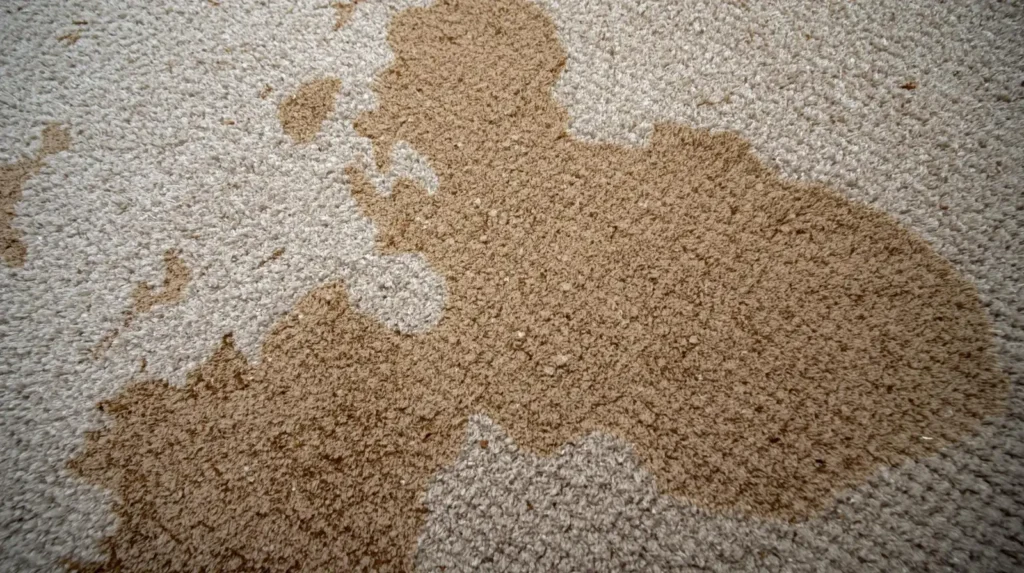
A steam carpet cleaning rental can make a carpet look better fast—until it doesn’t.
The most common outcome isn’t “it ruined everything,” but it’s also not “professionally clean.” It’s this: the carpet looks improved for a short window, then traffic lanes gray out again, odors show up, or stains reappear like they were never touched.
That pattern usually comes from a handful of predictable mistakes—most of them caused by how rental machines work (and what they can’t do as well as professional equipment). This guide explains the biggest steam carpet cleaning rental mistakes that leave carpets too wet, residue-loaded, and easier to get resoiled, so you can understand why the same carpet can look clean today and worse next week.
“Steam” isn’t the real issue—moisture control is
Most rental units marketed as “steam” are essentially hot water extraction machines. Heat can help cleaning chemistry work better, but the real make-or-break factor is how much moisture goes into the carpet versus how much gets recovered.
When a carpet stays damp too long, three things tend to happen:
- Odors develop (damp + residues = smell)
- Wicking occurs (old contamination rises back to the surface as it dries)
- Dirt returns faster (residue becomes a soil magnet)
If you remember nothing else: the worst rental outcomes usually come from over-wetting + under-extracting.
Mistake 1: Using too much detergent because “more soap = more clean”
This is the number one trap. Rental detergents foam and feel productive, but detergent residue is sticky. If it isn’t thoroughly rinsed and extracted, it stays in the carpet and attracts soil aggressively.
What happens next is predictable:
- The carpet looks brighter right after cleaning.
- As it dries, it starts to feel slightly stiff or “crunchy.”
- Within days, it looks dirty again—especially in traffic lanes.
That isn’t bad luck. It’s residue doing what residue does.
Why rental use makes this worse:
Rental machines typically don’t rinse and recover at the same performance level as professional systems. That makes it easier to leave behind what you put in.
Mistake 2: Doing “wet passes” without enough recovery passes
Many people do multiple slow wet passes because they think they’re deep cleaning. But every wet pass pushes moisture deeper—into backing and sometimes padding—especially when suction recovery is limited.
If you put down a lot of solution and don’t recover aggressively, you create:
- Long drying times
- Increased risk of odor
- Higher chance of wicking and stain return
A cleaner outcome is less about how long you spray and more about how well you recover moisture and suspended soil.
Mistake 3: Over-wetting stains to “flush them out”
Stains don’t disappear because you drown them. They disappear because you lift material out of the fiber system.
Over-wetting a stain can:
- Spread the stain outward (creating a halo)
- Push the contamination into the backing/pad
- Cause the stain to reappear as it dries (wicking)
- Leave a damp zone that smells later
This shows up most often with:
- Coffee and soda (sugars + tannins)
- Food spills (oils + dyes)
- Pet accidents (contamination often deeper than it looks)
Mistake 4: Cleaning the whole carpet evenly instead of focusing on traffic lanes
The carpet doesn’t soil evenly. The areas that truly need heavy attention are usually:
- Entry paths
- Hallways
- In front of sofas/chairs
- Around dining or desk areas
Rental cleaning often becomes a uniform “mow the lawn” approach—same speed, same moisture, same attention everywhere. That wastes effort on clean zones and under-serves the worst areas.
The result: the carpet still looks tired where you actually wanted change.
Mistake 5: Leaving the carpet too wet to dry fast
Slow drying is where the “smells worse later” stories come from.
A carpet that is damp for too long can develop:
- A stale, musty odor
- A sour smell in spots where residues are concentrated
- Recurring odor even after it seems “dry on top”
Common causes of slow drying with rentals:
- Too much solution applied
- Weak recovery suction
- Cleaning late in the day with poor airflow
- High indoor humidity
- Furniture and rugs put back too soon, trapping moisture
Drying isn’t cosmetic. It’s a risk control step.
Mistake 6: Not removing dry soil first, so you create mud in the fibers
Dry soil—especially fine grit—acts like abrasive sandpaper. If you skip thorough vacuuming before using a rental, you’re essentially doing this:
- Wet the grit
- Turn it into slurry
- Push it deeper with foot traffic during cleaning
- Try to extract it with limited recovery
That’s why a carpet can feel gritty or look dull even after a “steam clean.” The soil wasn’t removed; it was rearranged.
Mistake 7: Expecting a rental machine to solve odor problems rooted below the surface
Odors often come from what’s underneath:
- Residues in the backing
- Contamination in padding
- Spills that soaked deeper than the surface
- Repeated spot-cleaning buildup
A rental machine can improve surface appearance, but odor sources below the surface can persist and return—especially if the cleaning process adds moisture and extends drying.
That’s why people report:
- “It smells fine wet, then bad when dry.”
- “The odor came back after a few days.”
- “The pet smell never really left.”
Mistake 8: Cleaning too aggressively and damaging the carpet’s appearance
Not all carpet is equally forgiving. Aggressive brush action, repeated passes, or improper technique can:
- Distort fibers (creating permanent shading or “tracks”)
- Fuzz the pile (especially on softer carpets)
- Make patterns look uneven
Sometimes what looks like “remaining dirt” is actually fiber wear or distortion that cleaning can’t undo. That’s another reason rentals disappoint: people keep going harder, which can worsen appearance.
Mistake 9: Thinking “hotter is always better”
Heat can help, but it also increases risks in certain scenarios:
- It can set some stains if the chemistry isn’t right
- It can make odors more noticeable temporarily
- It can mobilize oils, spreading them if over-wetted
The smarter goal is controlled cleaning with strong recovery—not maximum heat and maximum water.
Mistake 10: Treating spots with random products that sabotage the cleaning
Household spot cleaners can cause:
- Residue buildup
- Bleaching/discoloration
- Permanent “clean circles”
- Faster re-soiling around the area
Then the rental cleaning hits that zone and either:
- Can’t remove the residue,
- Or pulls it partially upward, leaving it looking worse.
If a carpet has been through years of spray cleaners, it can behave unpredictably when extraction is attempted.
How to tell if a steam carpet cleaning rental left your carpet in trouble
These are the practical red flags:
- Carpet still feels damp hours later in normal indoor conditions
- A sour or musty smell appears as it dries
- Stains disappear wet and reappear dry (wicking)
- The carpet feels stiff or crunchy (detergent residue)
- Traffic lanes look dirty again unusually fast
Those outcomes aren’t mysterious—they’re the fingerprints of moisture left behind and residue not fully removed.
The results in perspective
A steam carpet cleaning rental can improve appearance when the soil is light and moisture is well controlled. But the most common “it got worse” outcomes come from the same core problems: too much detergent, too much water, not enough recovery, and slow drying.
If the goal is a carpet that stays cleaner longer—without odors, wicking, or rapid re-soiling—the critical difference isn’t effort. It’s extraction performance and residue control. That’s why two cleanings can look similar on day one and completely different by week two.