

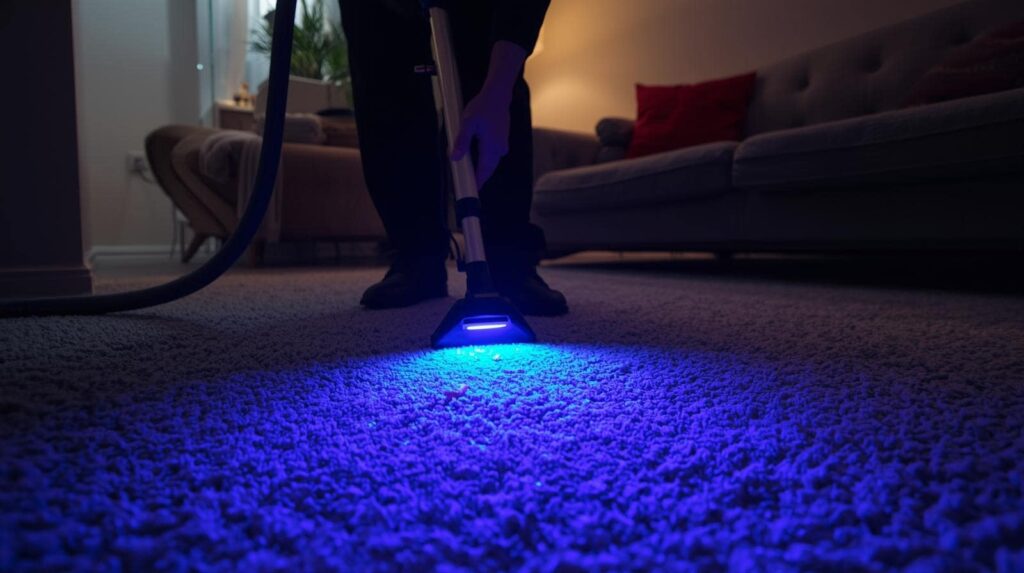
A carpet can look clean and still hold the kind of buildup people never really think about
Most homeowners judge carpet by the obvious signs. They notice stains, dark traffic lanes, crumbs, pet hair, or areas that look duller than the rest of the room. If none of that stands out, they assume the carpet is basically clean. That is the lazy standard. Carpet collects much more than what shows up visually, and some of the most important material it holds is exactly the kind people do not notice at a glance.
That is where anti-allergen carpet cleaning becomes relevant. It is not focused only on what makes the carpet look dirty. It is focused on the finer material that settles into carpet over time, including dust, pet dander, pollen, and other small particles that are easy to ignore because they do not always create obvious marks.
This matters because carpet is not just a decorative surface. It is one of the biggest soft surfaces in the home, and soft surfaces naturally collect what moves through the indoor environment. Shoes bring material in from outside. Pets add dander and hair. Daily activity stirs particles up and presses them down again. Dust settles. Fibers hold onto more than people realize.
That is why anti-allergen carpet cleaning helps remove more than visible dirt. The point is not only to improve how the carpet looks. The point is to address the less obvious buildup that becomes part of the carpet through normal household life.
Visible dirt is only one layer of what settles into carpet
The easiest thing to clean is usually the thing people can see. A fresh spill, tracked-in mud, crumbs near a sofa, or a darkened traffic lane gets attention quickly because it is obvious. But those visible problems are only part of the carpet’s condition.
A carpet can also hold:
- Fine dust
- Pet dander
- Pollen brought in from outside
- Skin particles
- Microscopic debris from daily activity
- Residue that helps trap more fine material over time
This kind of buildup does not always change the carpet’s appearance in a dramatic way. That is why it gets overlooked. A room may look tidy and still contain carpet that is carrying a lot of what people do not want settling indoors.
Anti-allergen carpet cleaning is different from a purely appearance-based approach because it is meant to deal with that deeper layer of fine material. It treats the carpet as more than a visual surface. It treats it as a place where indoor particles accumulate and remain unless the cleaning actually addresses them.
That is the core reason the topic works. The phrase more than visible dirt is not vague if the article stays anchored to allergen-related buildup. The point is not “there is hidden stuff.” The point is that the hidden stuff includes exactly the kinds of particles that anti-allergen carpet cleaning is meant to target.
Dust is one of the biggest reasons carpet needs more than surface-level care
Dust sounds harmless because people use the word casually. But in practice, dust is not one simple thing. It is a mix of fine indoor material that settles continuously and builds up in ways that standard visual checks do not capture well.
In carpeted rooms, dust can include:
- Fine soil tracked in from outside
- Fabric particles
- Skin flakes
- Tiny household debris
- Pollen and other airborne particles that have settled
The problem is not just that dust lands on carpet. The problem is that carpet traps it. Once people walk across the room, sit on the floor, vacuum lightly, or move furniture and fabrics around, that dust shifts, settles deeper, and becomes part of the carpet’s ongoing load.
This is one reason anti-allergen carpet cleaning helps remove more than visible dirt. A carpet can show no major staining at all and still be carrying enough dust-related buildup to make it feel like the room never gets truly fresh. Homeowners often respond to that feeling by dusting harder, vacuuming more often, or opening windows. Those steps help, but they do not fully deal with what has already settled into the carpet itself.
A carpet that collects dust day after day needs cleaning that recognizes dust as a real part of the problem, not just background clutter.
Pet dander adds another layer most households underestimate
People with pets usually notice the obvious issues first: hair on furniture, muddy paws, the occasional accident, and the general mess that comes with a home where animals actually live. What they often underestimate is the constant, quieter accumulation of pet dander and related fine particles in carpet.
Pet dander is one of the main reasons anti-allergen carpet cleaning matters in real homes. Even in houses without visible pet mess, carpet can still be collecting:
- Dander
- Fine hair and fur particles
- Oils from pet contact
- Outdoor debris brought in on paws
- Material shed from pet bedding and favorite resting areas
That buildup does not always create a dramatic appearance problem. The carpet may still look acceptable, especially if the homeowner vacuums regularly. But acceptable-looking carpet is not the same as carpet that is free of fine indoor buildup.
Anti-allergen carpet cleaning helps remove more than visible dirt because it addresses what pets contribute beyond the obvious mess. In homes with dogs or cats, allergen-related buildup often becomes part of the carpet’s normal condition long before the homeowner thinks of the room as dirty. That is exactly why this type of cleaning has a distinct purpose.
Pollen does not stay outside just because people want it to
Another issue people underestimate is how easily pollen makes its way indoors. It enters on shoes, clothing, bags, pets, and air movement through doors and windows. Once inside, it does not just disappear. Some of it settles onto hard surfaces where it can be wiped away, but some of it ends up in carpet.
That is especially relevant in:
- Entry-adjacent carpeted areas
- Hallways
- Living rooms
- Bedrooms
- Rooms where windows are opened regularly
- Homes with pets that move in and out often
Pollen-related material can be hard to notice because it usually does not create an obvious stain or visible patch. It just becomes part of the fine buildup that a carpet collects over time. Homeowners rarely look at carpet and think “that is pollen,” but that does not mean it is not there.
This is another reason anti-allergen carpet cleaning helps remove more than visible dirt. It is designed to account for the particles that enter the home through normal daily routines and settle into carpet even when no one sees them arrive.
A carpet does not need to look dirty for pollen-related buildup to be part of the room’s condition. That is exactly the kind of gap anti-allergen cleaning is meant to address.
Standard vacuuming helps, but it does not make the problem disappear
Vacuuming is necessary. That should not be debated. It removes loose debris, picks up visible mess, and helps reduce some of the dust and hair sitting in the upper carpet fibers. But people often expect it to do more than it realistically can.
Vacuuming helps with maintenance. It does not always fully solve:
- Embedded fine particles
- Heavier buildup in high-use areas
- Dander that has settled deeper
- Pollen mixed into the carpet load over time
- Residue that traps additional dust and debris
This is where anti-allergen carpet cleaning earns its place. It is not meant to replace routine care. It is meant to go beyond it. When carpet has been collecting fine allergen-related material for months or years, normal vacuuming alone may improve the surface without fully changing the deeper condition of the carpet.
That is why the article angle works. Anti-allergen carpet cleaning helps remove more than visible dirt because visible dirt is often the easiest part of the problem. The harder part is the fine material that stays in the carpet after routine care has done what it can.
The keyword only works if anti-allergen cleaning is treated as a distinct purpose
This is where most weak content fails. It turns anti-allergen carpet cleaning into a generic deep-cleaning article with allergy-flavored wording. That is not good enough.
A real anti-allergen angle has to stay focused on the fact that this kind of carpet cleaning is meant to address allergen-related buildup, not just general dirt. That means the article should stay tied to:
- Dust
- Pet dander
- Pollen
- Fine indoor particles
- Everyday buildup that affects the overall cleanliness of carpeted rooms
The difference matters. A standard carpet cleaning discussion might focus on stains, traffic lanes, appearance, or odor. Anti-allergen carpet cleaning focuses on the less visible material that accumulates through normal living and becomes part of the carpet whether the homeowner notices it or not.
That is why the title is viable. It works when “more than visible dirt” clearly means “dust, dander, pollen, and fine allergen-related buildup,” not just mystery grime.
Bedrooms, family rooms, and pet zones often need this kind of attention most
Not every room collects the same kind of indoor buildup at the same speed. Some rooms are more important than others when thinking about anti-allergen carpet cleaning.
Bedrooms matter because people spend hours there every day, and the carpet in those rooms quietly collects settled dust and fabric-related particles over time.
Family rooms matter because they combine heavy use, upholstered furniture, foot traffic, blankets, pets, and daily activity in one space.
Pet zones matter because the carpet near pet beds, favorite lounging areas, and common paths often takes on more dander, hair, and fine debris than the rest of the home.
Hallways and connecting paths matter because they gather whatever gets tracked through the house and press it deeper into carpet through repeated traffic.
These rooms may not always show dramatic dirt, but they are exactly where anti-allergen carpet cleaning makes the most practical sense. The issue is not appearance alone. The issue is that these spaces collect the kind of fine material that anti-allergen-focused cleaning is meant to reduce.
Residue from past cleanings can make allergen-related buildup worse
Another overlooked factor is residue. If carpet has been treated repeatedly with DIY products, oversaturated with spot cleaner, or cleaned in a way that leaves material behind, that residue can become part of the problem.
Residue matters because it can:
- Trap more dust
- Hold onto fine debris
- Encourage faster re-soiling
- Make the carpet feel less fresh even after cleaning
This becomes especially relevant in an anti-allergen discussion because residue does not just affect appearance. It can make the carpet a better holding surface for the very fine particles homeowners are trying to reduce.
So when we say anti-allergen carpet cleaning helps remove more than visible dirt, that can also include addressing the conditions that keep carpet from releasing fine buildup properly. A carpet carrying dust, dander, pollen, and leftover product has a bigger problem than one simple vacuuming routine can solve.
The goal is not medical treatment, but cleaner carpet with less allergen-related buildup
This is where the article has to stay disciplined. Anti-allergen carpet cleaning is not a medical claim. It is not a promise to treat allergies, cure respiratory issues, or transform someone’s health. That kind of writing would be sloppy and risky.
The correct claim is simpler and stronger: anti-allergen carpet cleaning is intended to reduce the allergen-related material that settles into carpet, including dust, dander, pollen, and fine debris that go beyond visible dirt.
That is a practical household claim. It is about what the carpet holds and what the cleaning is meant to remove. It stays in the right lane:
- cleaner carpet
- reduced fine buildup
- more attention to allergen-related particles
- better focus than appearance-only cleaning
That is enough. The content does not need dramatic health language to be useful. It just needs to explain clearly why allergen-focused carpet cleaning is different from ordinary “make it look better” thinking.
Carpet should be judged by what it holds, not just by what it shows
This is the real point. Carpet is one of the biggest collection surfaces in the home, and what it holds is often more important than what it shows. A carpet can hide dust, dander, pollen, and fine debris while still looking decent enough that nobody treats it as a priority. That is exactly why the keyword anti-allergen carpet cleaning exists in the first place.
Anti-allergen carpet cleaning helps remove more than visible dirt because its purpose is not limited to appearance. It is meant to address the allergen-related buildup that becomes embedded in carpet through normal indoor living. That includes the quiet accumulation from pets, daily traffic, outside particles, settled dust, and the fine material that routine care may reduce but not fully remove.
When homeowners understand that difference, the topic stops sounding generic. It becomes specific, practical, and clearly tied to a real cleaning need. A carpet does not need to look filthy before it deserves attention. It only needs to be doing what carpet always does: holding onto more than people can easily see.
Serving Anchorage? See our Anchorage carpet cleaning page for local service details.