

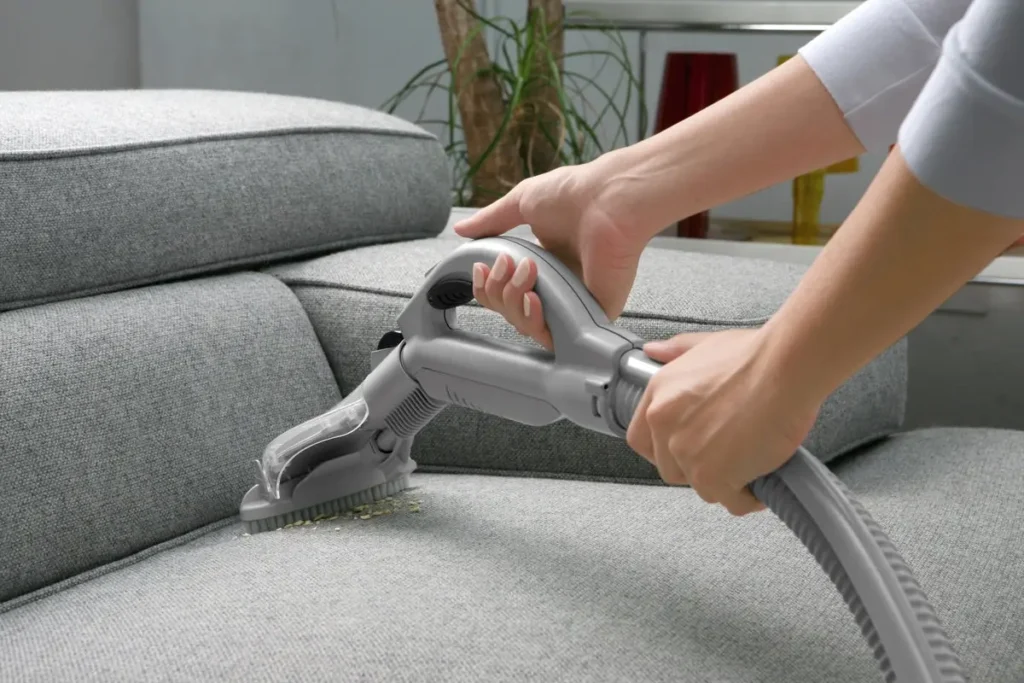
Your sofa is one of the most used pieces of furniture in your home. It’s where families gather, pets nap, and life happens — day after day, year after year. But while it may look clean on the surface, your sofa can quietly collect a surprising amount of dirt, allergens, and contaminants beneath its cushions and deep in its fabric.
Sofa upholstery cleaning is more than a cosmetic refresh. It’s a critical step in maintaining a healthy, hygienic home — especially in homes across Anchorage and surrounding areas where indoor living dominates much of the year. If it’s been a while since your sofa was professionally cleaned, you may be sitting on more than just cushions.
Let’s uncover what’s really in your sofa — and how deep cleaning removes the particles and pollutants you can’t see.
Sofas as Dirt Magnets: What Builds Up Over Time
Even with no visible stains, upholstered sofas trap and hold a wide range of contaminants from daily life. Some are brought in from outside, while others come from within your own home.
Here’s what typically builds up:
- Dust and dead skin cells, which accumulate with every use.
- Pet dander and fur, even if pets aren’t allowed on furniture.
- Food crumbs and grease, especially in homes where snacks or meals happen in the living room.
- Body oils and sweat, which slowly discolor fabrics over time.
- Pollen and outdoor particles, tracked in on clothing or through open windows.
- Mold spores, especially in humid or poorly ventilated spaces.
These contaminants settle into the fabric weave and padding, where they remain untouched by regular surface vacuuming or spot-cleaning.
The Hidden Health Risks of a Dirty Sofa
Beyond aesthetics, the buildup in your sofa can quietly affect your indoor air quality and overall health — particularly for allergy sufferers, children, or people with compromised immune systems.
Potential risks include:
- Allergen exposure, such as from dust mites and pet dander.
- Respiratory irritation, triggered by pollen, mold, or embedded bacteria.
- Skin irritation, especially from accumulated body oils, sweat, or cleaning product residues.
- Unpleasant odors, which can be hard to eliminate without deep cleaning.
Because sofas are soft, porous surfaces, they also release trapped particles back into the air each time someone sits down — meaning your favorite seat could be recirculating allergens into your home environment.
How Professional Sofa Upholstery Cleaning Targets Deep Contaminants
Vacuuming alone isn’t enough to address the hidden buildup in upholstery. Professional sofa cleaning uses advanced equipment and cleaning solutions designed to reach deep into fabric layers and padding, lifting out embedded dirt and neutralizing allergens.
Here’s what a typical deep-clean process includes:
- Pre-inspection, to assess fabric type and condition.
- Dry vacuuming with HEPA filtration, to remove loose particles and dust.
- Pre-treatment sprays, for oils, stains, and odor sources.
- Hot water extraction (steam cleaning) or low-moisture methods, depending on the fabric.
- Sanitizing agents and deodorizers, especially in allergy-prone or pet-heavy homes.
- Controlled drying, to prevent mold and ensure quick use.
The result is a sofa that not only looks fresher but also supports cleaner air and a healthier home environment
Why Sofa Upholstery Cleaning Is Especially Important in Cold Climates
In places like Anchorage, Girdwood, and Wasilla, long winters and limited ventilation can make indoor air quality a year-round concern. Homes stay closed up for months, and heating systems often recirculate the same air day after day.
During this time:
- Allergens concentrate indoors, especially in soft furnishings like sofas.
- Indoor humidity from cooking and showers can promote microbial growth.
- Residents spend more time seated, increasing exposure to trapped irritants.
Professional upholstery cleaning becomes a proactive way to refresh your home’s air, reduce allergens, and create a more comfortable living space — especially during Alaska’s indoor seasons.
How Often Should You Clean Your Sofa?
While every household is different, general recommendations include:
- Every 12 to 18 months for low-traffic households.
- Every 6 to 12 months for homes with pets, kids, or allergy sufferers.
- After seasonal changes, like post-winter or before spring pollen hits.
- Immediately following visible stains, spills, or illness.
If your sofa hasn’t been professionally cleaned in over a year — or ever — it’s likely time. Even without visible stains, the buildup beneath the surface is real.
You’re Sitting on It — Make Sure It’s Clean
Your sofa may look clean, but that doesn’t mean it is. Over time, upholstered furniture quietly accumulates a mix of allergens, grime, and odor-causing debris — much of which standard cleaning can’t reach.
Professional sofa upholstery cleaning lifts that hidden buildup, refreshing your home and making it a healthier, more pleasant place to live. For homes in Anchorage and nearby communities, where people spend long stretches indoors, that deep clean isn’t just nice to have — it’s a smart, seasonal essential.