

Tile and Grout Cleaning in Anchorage
J&S Steamway cleans and seals tile and grout across Anchorage and Eagle River: kitchens, bathrooms, entryways, laundry rooms and commercial floors. The tile is almost never the problem. The grout is.
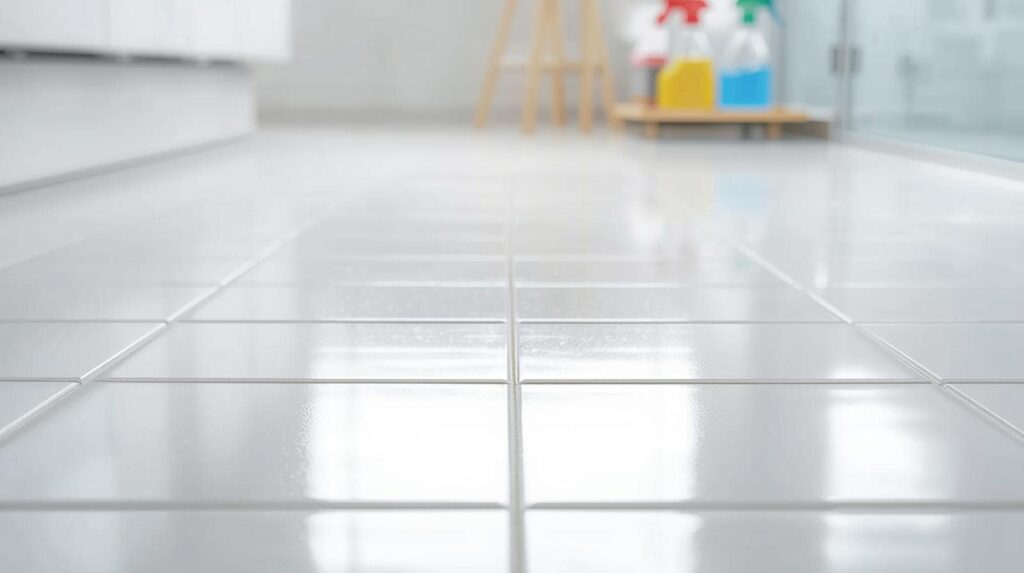
Why grout goes dark and mopping does not fix it
Grout is cement. Cement is porous, which means it is full of microscopic voids that pull liquid in and hold it. Tile is glazed and sits proud of the grout line, so everything that lands on the floor drains into the lowest, most absorbent part of it.
Mopping makes this worse rather than better, and this is the part most people have never been told. A mop lifts soil off the tile, suspends it in the bucket water, and then pushes that dirty water into the grout lines where it sits and dries. Every mopping deposits a little more into the grout than it removes. That is why a floor can be mopped weekly for years and the grout still gets steadily darker.
Household cleaners add to it. Most leave a residue, that residue is slightly sticky, and it holds the next round of soil.
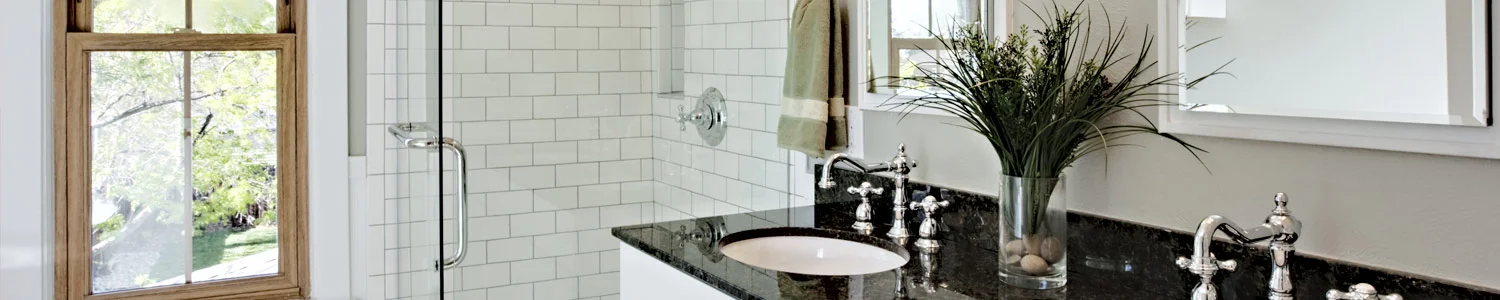
Anchorage adds two problems
Ice melt in the entry. From October through April, boots carry chloride onto entry tile, and grout absorbs it. Salt in grout keeps drawing moisture, works its way back to the surface as a white haze, and over years degrades the grout itself. Entry grout in this city ages faster than grout anywhere else in the house for that reason alone.
Winter humidity in the bathroom. A sealed house with low air exchange means bathroom moisture lingers. Grout stays damp longer, and damp porous cement is where mould and mildew establish. Dark grout in a shower is often not soil at all.
How we clean it
1. Pre-treatment.
A pre-treatment goes on and is left to dwell, because the soil is inside the grout rather than on it and nothing works instantly at that depth.
2. Hot water extraction.
Hot water under pressure with simultaneous extraction, which is the part a mop fundamentally cannot do: the soil leaves the floor instead of being redistributed.
3. Detail work by hand.
Along edges, corners and around fixtures where a machine head cannot reach.
4. Neutralising rinse.
So no residue is left to attract the next round of soil.
5. The result.
What comes back is the original grout colour, which surprises people. Grout that has read as grey or brown for years is very often white or beige underneath.
When cleaning will not be enough
We would rather say this before taking the job than after.
Grout that is cracked, crumbling or missing needs replacing, not cleaning, and cleaning a failing grout line can accelerate it. Grout that has been stained by a dye rather than soiled may not fully return. Grout that has been painted or coated with a colourant, which is a common DIY fix, has to have that coating removed first, and that is its own job. And if there is active mould growth rather than surface mildew, the moisture source has to be dealt with or it comes straight back.
Sealing is the part that makes it last
Cleaning without sealing means the grout starts absorbing again immediately. A penetrating sealer soaks into the grout and lines the pores so liquid beads and sits on the surface long enough to be wiped up instead of being drawn in.
Sealer is consumable. It wears out, faster in a wet room and far faster in an entry taking ice melt, so it is a maintenance item on a schedule rather than a permanent fix. We will tell you roughly when the floor will want it again based on where it is and what it takes.
Stone tile needs different chemistry than ceramic or porcelain, and acidic cleaners etch calcium-based stone like marble and travertine. See hardwood and hard surface floor cleaning for stone, hardwood, laminate and luxury vinyl. Most homes book tile alongside carpet cleaning in the same visit, since the entry tile and the carpet next to it collect the same winter grit.

Book tile and grout cleaning
Tell us roughly the area, whether it is ceramic, porcelain or stone, and where it is in the house. Get in touch or request a quote.